
Why Wealthy Families Are Diversifying Beyond One Country
The world’s wealthiest families are no longer asking where to invest next. They are asking where their wealth, family, lifestyle, and future will be safest over the next twenty years. This shift is quietly redefining the meaning of modern wealth management.
For many high-net-worth individuals, diversification is no longer limited to investment portfolios. It now extends across countries, banking systems, currencies, legal structures, residency rights, and international opportunities. The objective is no longer simply higher returns. It is resilience, flexibility, and long-term security in an increasingly unpredictable world.
As global uncertainty continues to rise, affluent families are becoming more conscious of concentration risk. Political instability, changing tax regulations, banking exposure, inflation, currency volatility, and geopolitical tension have all contributed to a broader shift in how sophisticated investors think about wealth preservation. Many families are realizing that keeping all assets, businesses, banking relationships, and personal mobility tied to one country may create unnecessary long-term vulnerability.
This transformation is especially visible among international entrepreneurs, family offices, globally mobile investors, and next-generation wealthy families. Wealth management is becoming increasingly international because wealth itself has become international. Businesses now operate across borders, investment opportunities are global, and families are more mobile than ever before. As a result, the structure surrounding wealth must evolve alongside it.

Content Overview
The New Meaning of Wealth Diversification
Traditional diversification focused primarily on balancing asset classes such as equities, bonds, real estate, and private investments. While portfolio diversification remains important, modern wealth planning has expanded far beyond investment allocation.
Today’s sophisticated families are diversifying across jurisdictions, banking systems, currencies, residency options, and legal structures. They are building international flexibility into both their financial and personal lives. This approach allows families to reduce dependency on any single system while creating greater adaptability for future generations.
International diversification is not necessarily about leaving one country permanently. In many cases, it is about creating optionality. Wealthy families increasingly value the ability to relocate, restructure, access alternative banking systems, or expand internationally if circumstances change. Flexibility itself has become a valuable form of wealth protection.
Why Wealthy Families Are Thinking Globally
One of the major drivers behind this trend is the growing awareness that global risks can affect personal wealth much faster than before. Economic policy changes, sanctions, banking restrictions, regulatory tightening, and taxation shifts can all impact wealth unexpectedly.
For this reason, many affluent families are establishing international banking relationships across multiple jurisdictions. Diversifying banking access can improve operational flexibility, support cross-border business activity, and reduce concentration risk within a single financial system.
Currency diversification has also become increasingly important. Rather than holding the majority of wealth in one currency environment, many wealthy families now maintain exposure across USD, CHF, SGD, AED, EUR, and alternative stores of value such as gold. This is not purely speculative. It is part of a broader wealth preservation strategy designed to protect purchasing power and long-term stability.
At the same time, lifestyle considerations are playing a larger role in wealth planning decisions. Wealthy families are evaluating education opportunities, healthcare quality, personal safety, international mobility, and quality of life alongside financial returns. For globally minded families, wealth management is no longer purely about capital growth. It is also about creating a secure and internationally connected future for children and future generations.
The Rise of International Wealth Structuring
International wealth structuring was once considered relevant mainly for ultra-high-net-worth families or institutional investors. Today, it is becoming increasingly mainstream among globally connected entrepreneurs and investors.
Modern wealth structures may involve international companies, overseas real estate holdings, cross-border investments, family holding structures, international banking, and second residency planning. The objective is not unnecessary complexity. The objective is resilience and long-term positioning.
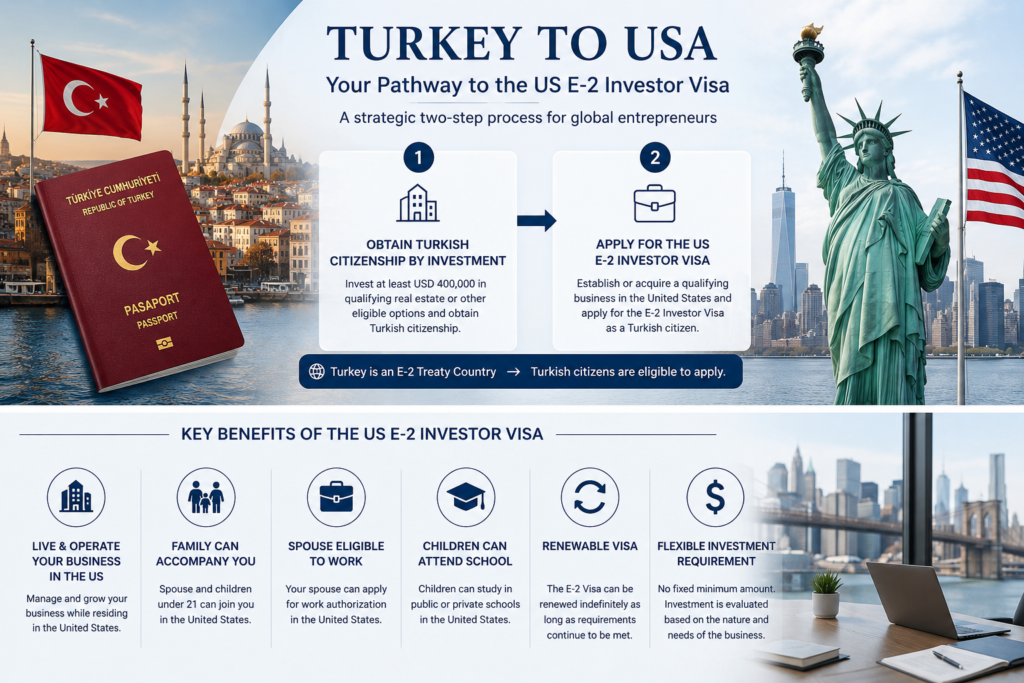
Second residency, in particular, has evolved into an important component of modern wealth planning. For many families, residency diversification provides greater international mobility, lifestyle flexibility, business expansion opportunities, and long-term security. In some cases, it also supports broader tax residency and succession planning strategies.
This trend reflects a larger shift in mindset. Wealthy families are no longer thinking only about where they live today. They are thinking strategically about where opportunities, stability, and flexibility may exist over the next several decades.
Wealth Management Is Becoming More Strategic
As wealth structures become increasingly international, the role of wealth advisory is also changing. Traditional advisory models focused heavily on investments and financial products. Modern wealth management requires a much broader perspective.
Sophisticated families now require coordination between international legal structures, tax planning, banking relationships, investment strategies, succession planning, mobility considerations, and family governance. This has created growing demand for advisors who understand not only finance, but also global positioning and cross-border strategy.
The future of wealth management will likely belong to advisors and firms capable of helping families navigate complexity with clarity and long-term perspective. Families are no longer simply searching for investment products. They are seeking trusted strategic guidance that helps preserve wealth across generations and across borders.
At LEMYWEALTH, the focus is centered on helping internationally minded entrepreneurs, investors, and families structure global opportunities with sophistication, discretion, and long-term vision. The objective is not simply diversification for the sake of diversification, but the creation of resilient international structures designed for an increasingly global future.
The Future of Wealth Is Global
The next generation of wealth management will not be defined solely by investment performance. It will be defined by resilience, flexibility, and the ability to adapt across jurisdictions, markets, and generations.
Wealthy families are increasingly recognizing that the future may reward those who are internationally positioned rather than geographically concentrated. As a result, diversification is evolving beyond a financial principle. It is becoming a broader life strategy centered on global access, strategic flexibility, and long-term wealth preservation.
For modern affluent families, the question is no longer whether the world is becoming more interconnected. The question is whether their wealth structure is prepared for it.
Latest Blog


Join Mailing List
Get curated insights on global residency, international investment opportunities, and wealth structuring strategies delivered directly to you.